Aug 20, 2026 | Journal
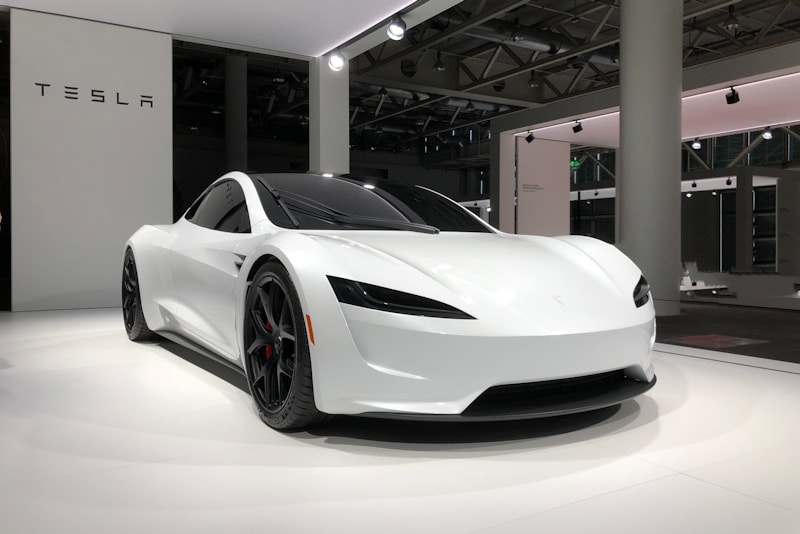
NHTSA has expanded its investigation into Tesla's Full Self-Driving system to approximately 3.2 million vehicles. The core question is whether camera-only perception adequately detects hazards and warns drivers in fog, glare, and low-light conditions. This is not...
Aug 19, 2026 | Journal
On August 2, the EU AI Act's high-risk obligations took effect. Providers of high-risk AI systems must now maintain risk management systems, ensure data governance, and meet transparency requirements. There is just one problem: CEN-CENELEC JTC 21, the joint...
Aug 17, 2026 | Journal
Waymo crossed 20 million paid trips this month, with roughly 500,000 weekly rides across a dozen U.S. cities and a target of one million by year-end. California regulators approved expansion across 18 counties covering the San Francisco Bay Area, Los Angeles,...
Aug 14, 2026 | Journal
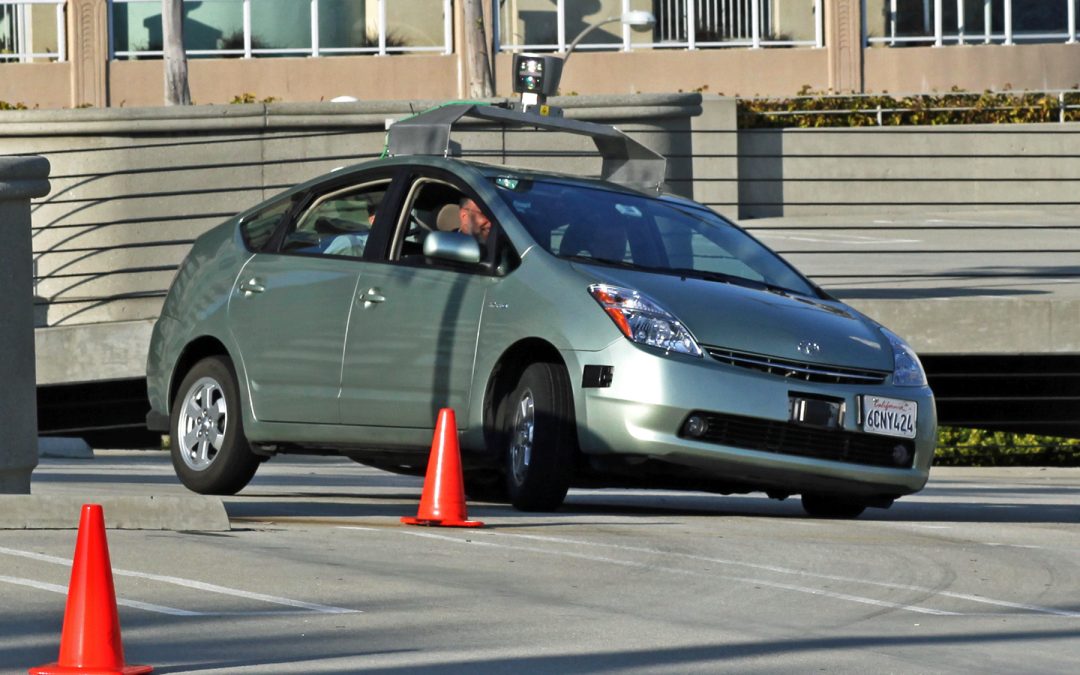
In May 2026, Tesla's Full Self-Driving system logged 207 driver-assist crashes in a single month. The figure arrived at a delicate moment: the National Highway Traffic Safety Administration had already opened a formal investigation into whether camera-only...
Aug 13, 2026 | Journal
There are two ways to solve for autonomy on public roads, and they are architecturally incompatible. Waymo treats the problem as infrastructure: mapped geofences, purpose-built sensor stacks, validated operational design domains. Tesla treats it as generalization:...