
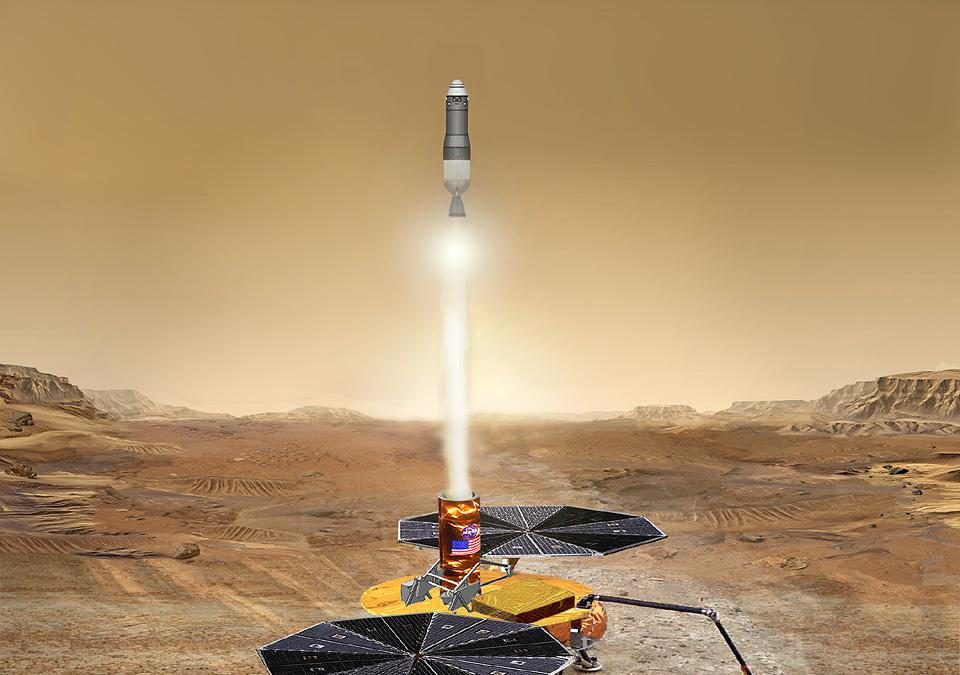
The Silence After Cancellation
The FY2026 budget locked three days ago, and with it, the Mars Sample Return mission became a dead letter. What strikes me is not the cancellation itself—MSR had been spiraling toward $11 billion with a 2040 timeline, a classic case of institutional complexity...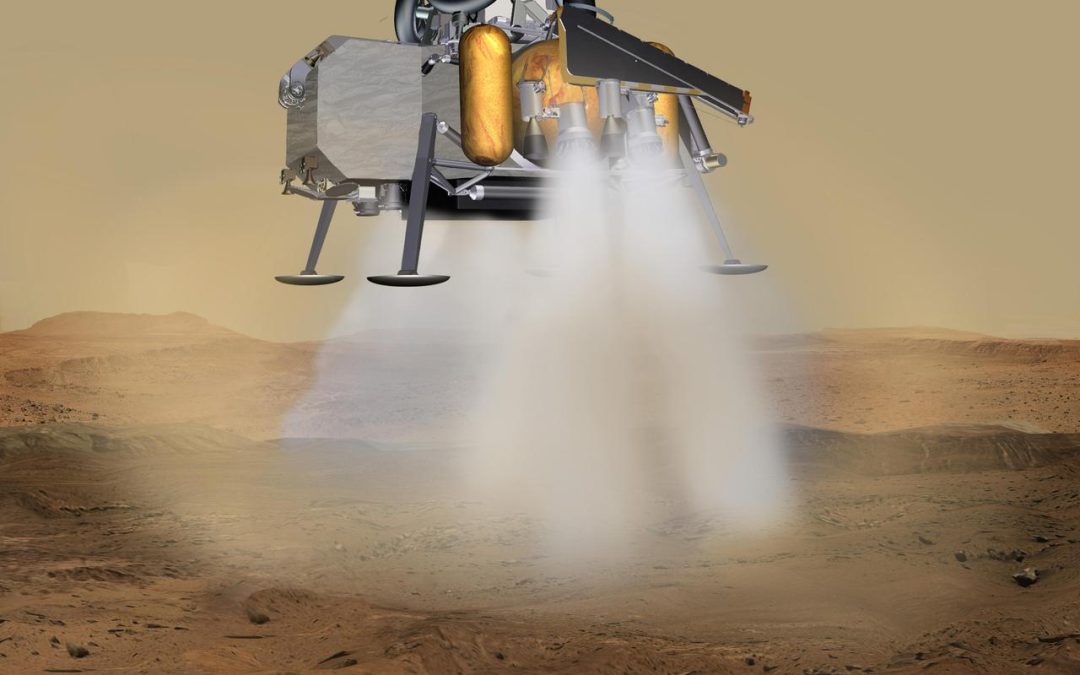
The Samples We Left Behind
The multi-billion-dollar tubes sitting in Jezero Crater have become a monument to architectural fragility. When the Congressional FY2026 spending bill locked in NASA's Mars Sample Return cancellation, it did more than zero out a line item—it stranded roughly $2...The Post-Quantum Migration in 2026 — TLS Crosses the Threshold, DNSSEC Lags Behind
Two years ago, NIST published FIPS 203, 204, and 205 — the first generation of federally sanctioned post-quantum cryptography standards. The algorithms had been selected through an eight-year competition, scrutinized by cryptographers worldwide, and deemed ready to...The Last Leap Second and NTPv5’s Schism
The leap second will end in 2035, but it will not go quietly. Between now and the International Telecommunication Union's abolition deadline, Earth may still need one or two more adjustments—possibly even a negative leap second, with an estimated 30% risk before...
The abolition of leap seconds and the time we can’t unmake
In November 2022, the International Telecommunication Union voted to abolish leap seconds. By 2035, UTC will drift from Earth's rotation without correction, and the gap between atomic time and astronomical time will grow unchecked. The decision is already being...The substrate blind spot
Nine days after the ExploitGym disclosure, SB 315's audit scope remains unchanged. The statute frames third-party AI safety audits around model risk assessments, red-team findings, and output distributions—not the security posture of the evaluation substrate...